- (435) 264-8537
- 960 N Main St,, North Salt Lake, UT 84054

Managing a low-slope roofing system along the Wasatch Front requires a material that doesn’t crack under intense high-altitude solar radiation or split when winter temperatures plummet. In North Salt Lake, commercial building owners face a unique set of weather challenges, from heavy snow loads to extreme summer heat. That is why we specialize in ethylene propylene diene monomer, a synthetic UV-resistant rubber membrane that has proven its durability over decades of real-world exposure. This flat roof membrane expands and contracts naturally, absorbing the thermal shock of Utah’s dramatic temperature swings without losing its structural integrity.
When you are planning a commercial roof replacement, choosing the right membrane thickness is critical to protecting your investment. While a 45-mil membrane offers a lower upfront material cost, we typically recommend a thicker 60-mil membrane for local commercial properties. The added thickness provides superior puncture resistance against hail, wind-blown debris, and routine maintenance foot traffic. Depending on your building’s structural design and wind uplift requirements, our crew will help you decide between a fully adhered system for maximum wind resistance, a mechanically fastened system, or a traditional ballasted installation using river rock.
The true longevity of any rubber roof depends entirely on the precision of its seams and penetrations. Our experienced technicians pay meticulous attention to detail, using high-grade EPDM seam tape and specialized lap splice adhesive to create a continuous, watertight seal around HVAC curbs, pipes, and drains. Because the region’s low annual rainfall means snowmelt often sits on flat structures for days, achieving reliable ponding water resistance is our top priority. We ensure your roof deck substrate is thoroughly prepared, clean, and properly sloped before any adhesive is applied, preventing the premature seam failures that often plague low-bid installations.
Low-slope roofing on commercial properties along the Wasatch Front faces a brutal combination of high-altitude UV radiation in the summer and relentless freeze-thaw cycles in the winter. Opting for a certified ethylene propylene diene monomer installation means you are putting a highly resilient, UV-resistant rubber membrane between your business assets and the elements. This synthetic rubber doesn’t crack under extreme temperature swings, making it an incredibly reliable choice for local warehouses and retail centers.
When our experienced technicians install a fully adhered system, we ensure the flat roof membrane bonds perfectly to your prepared roof deck substrate. We generally recommend a 60-mil membrane over a thinner 45-mil membrane for commercial properties in North Salt Lake. That extra thickness provides critical puncture resistance against heavy winter snow loads and routine HVAC maintenance traffic. By sealing every joint with heavy-duty EPDM seam tape and specialized lap splice adhesive, we eliminate the typical weak points where water tries to force its way in during the spring thaw.
PONDING WATER RESISTANCE — The continuous rubber membrane prevents standing water from snowmelt from seeping into your building.
UV-RESISTANT RUBBER MEMBRANE — Formulated to withstand the intense high-altitude sunlight along the Wasatch Front without cracking.
FLEXIBLE INSTALLATION OPTIONS — Choose between a fully adhered system, a mechanically fastened system, or a ballasted installation to match your structural load limit.
REINFORCED SEAMS — We use advanced EPDM seam tape and durable lap splice adhesive to create a watertight bond that survives intense freeze-thaw cycles.
LONG-TERM VALUE — A properly installed 60-mil membrane offers decades of low-maintenance protection, keeping your operational costs predictable.
An EPDM Roofing system, made from durable ethylene propylene diene monomer, typically lasts 20 to 30 years on a commercial building in North Salt Lake, but local climate extremes heavily dictate that lifespan. Our high-altitude UV exposure degrades lower-grade materials quickly. We recommend a 60-mil membrane over a thinner 45-mil membrane for superior durability. Additionally, the Wasatch Front’s intense winter freeze-thaw cycles put immense stress on seams. If your flat roof membrane is installed as a fully adhered system using high-grade lap splice adhesive and heavy-duty EPDM seam tape, it will easily withstand these shifts. Regular spring inspections after the snow melts are vital to catch minor seam separations before they allow water to reach your roof deck substrate.
When bidding EPDM Roofing projects, the choice between a 45-mil membrane and a 60-mil membrane comes down to durability and roof usage. A 45-mil sheet is thinner and costs less upfront, but it is highly vulnerable to punctures from dropped tools, hail, or HVAC maintenance traffic. For most commercial properties in North Salt Lake, we recommend a 60-mil UV-resistant rubber membrane. The extra thickness provides significantly better ponding water resistance and handles the thermal expansion caused by Utah’s extreme temperature swings. If you plan to install heavy mechanical equipment or expect regular foot traffic, investing in the thicker membrane is the smartest way to protect your building and secure a long-term manufacturer warranty.
Commercial EPDM Roofing costs generally range from $6 to $12 per square foot, though several variables shift this number. The installation method is a primary cost driver. A fully adhered system requires more labor and liquid adhesive than a ballasted installation, which uses river rock to hold the flat roof membrane down. The condition of your existing roof deck substrate also matters. If we discover wet or rotted insulation boards during tear-off, we must replace them to ensure a flat, stable surface. Finally, a high count of HVAC curbs, drains, and pipes increases labor because each penetration requires custom flashing. You can learn more about our service line-up to see how we evaluate these commercial projects.
Synthetic rubber is highly flexible, allowing an EPDM Roofing membrane to expand and contract without cracking, even when North Salt Lake temperatures drop below freezing. However, the real threat during Utah winters isn’t the cold itself—it is the standing water left behind by melting snow. Low-slope roofing systems must have excellent ponding water resistance to prevent slow leaks. We use specialized EPDM seam tape and commercial-grade adhesives to seal every lap joint, ensuring a watertight barrier. Because proximity to the Great Salt Lake brings high-wind events, we also design our mechanically fastened system layouts to meet strict local wind uplift requirements. Before hiring any contractor, verify their credentials through the Utah Division of Professional Licensing to ensure they are fully authorized for commercial work.
Your low-slope commercial roof in North Salt Lake shouldn’t be a source of constant worry when winter snowmelt begins to pool. Whether you need to replace an aging, cracked flat roof membrane or require a precision-engineered 60-mil membrane installation for a new facility, experienced technicians from our team are ready to deliver. We focus on meticulous substrate preparation and robust lap splice adhesive application to ensure your building stays dry through every harsh Wasatch Front freeze-thaw cycle.
Don’t let vague contractor bids or cut corners compromise your property’s envelope. Contact Iron Ridge Roofing today to schedule a comprehensive commercial roof inspection, and we will provide a clear, itemized scope of work tailored to your building’s specific wind uplift and drainage needs.
When managing a commercial facility along the Wasatch Front, you cannot afford to trust your low-slope roofing to a generic storm chaser or a residential handyman. Flat roof systems require specialized knowledge of flat roof membrane dynamics, substrate preparation, and proper adhesive application. At Iron Ridge Roofing, we focus specifically on commercial installations, ensuring your ethylene propylene diene monomer system is applied with exact precision. We understand how the extreme freeze-thaw cycles in North Salt Lake stress EPDM seam tape and lap splice adhesive, and we plan every installation to withstand these local climate demands.
Unlike national chains that subcontract their labor to the lowest bidder, our experienced technicians are directly employed, fully insured, and highly trained in commercial roofing standards. We hold a valid Utah DOPL roofing contractor license and maintain strict OSHA 1926 Subpart R fall protection compliance on every job site. We work closely with facility managers to coordinate phased installations, ensuring our work never disrupts your daily tenant operations or loading dock access. When you choose Iron Ridge Roofing, you receive detailed as-built documentation and direct access to manufacturer-backed NDL warranties, providing real commercial-grade protection for your investment.
Flat commercial roofs along the Wasatch Front face a brutal climate cycle that tests even the toughest materials. At 4,300 feet in North Salt Lake, your building absorbs intense, high-altitude UV radiation all summer, followed by heavy snow loads and relentless freeze-thaw cycles in the winter. If you install a low-grade or undersized flat roof membrane, these dramatic temperature swings will quickly expose any weakness. Selecting a robust ethylene propylene diene monomer (EPDM) system is about preventing premature failures that lead to costly interior damage.
When we install a UV-resistant rubber membrane, we look closely at the details that keep your building dry. For instance, ponding water resistance is critical because North Salt Lake’s low annual rainfall means slow-melting snow sits on low-slope roofing for weeks. Without a proper slope and flawless execution, water will find its way through weak seams. Our experienced technicians use high-grade EPDM seam tape and heavy-duty lap splice adhesive to ensure every joint is chemically fused. Whether you choose a fully adhered system or a mechanically fastened system, the goal is to create an impenetrable barrier over your roof deck substrate.
Many commercial buyers struggle to compare roofing bids because some contractors quote thin 45-mil membrane to keep their prices low. However, for buildings with regular HVAC maintenance traffic or heavy equipment, we strongly recommend a thicker 60-mil membrane. This extra thickness provides crucial puncture resistance and significantly extends the lifespan of your roof. Cutting corners on material thickness or substrate preparation might save a few dollars upfront, but it almost always ends in premature cracking, blistered seams, and water leaking into your warehouse or retail floor.
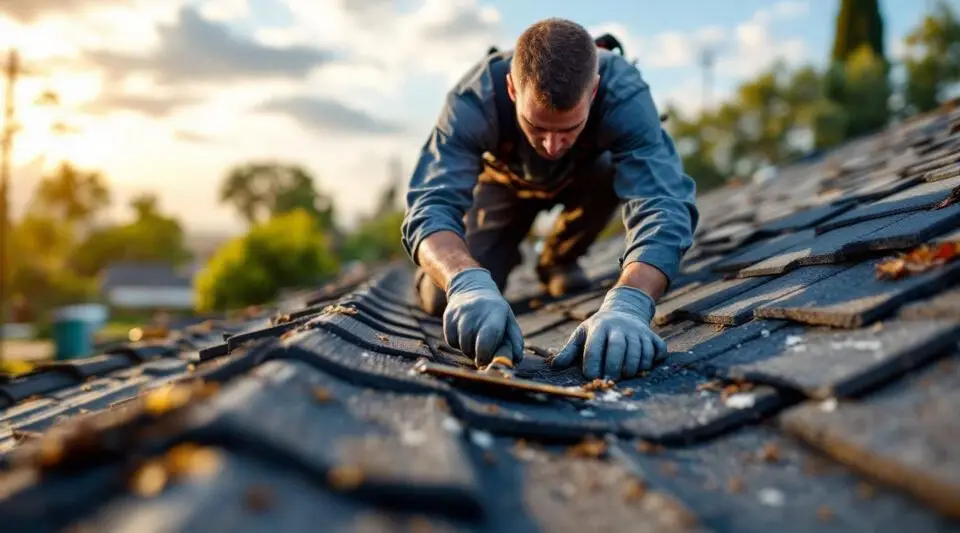
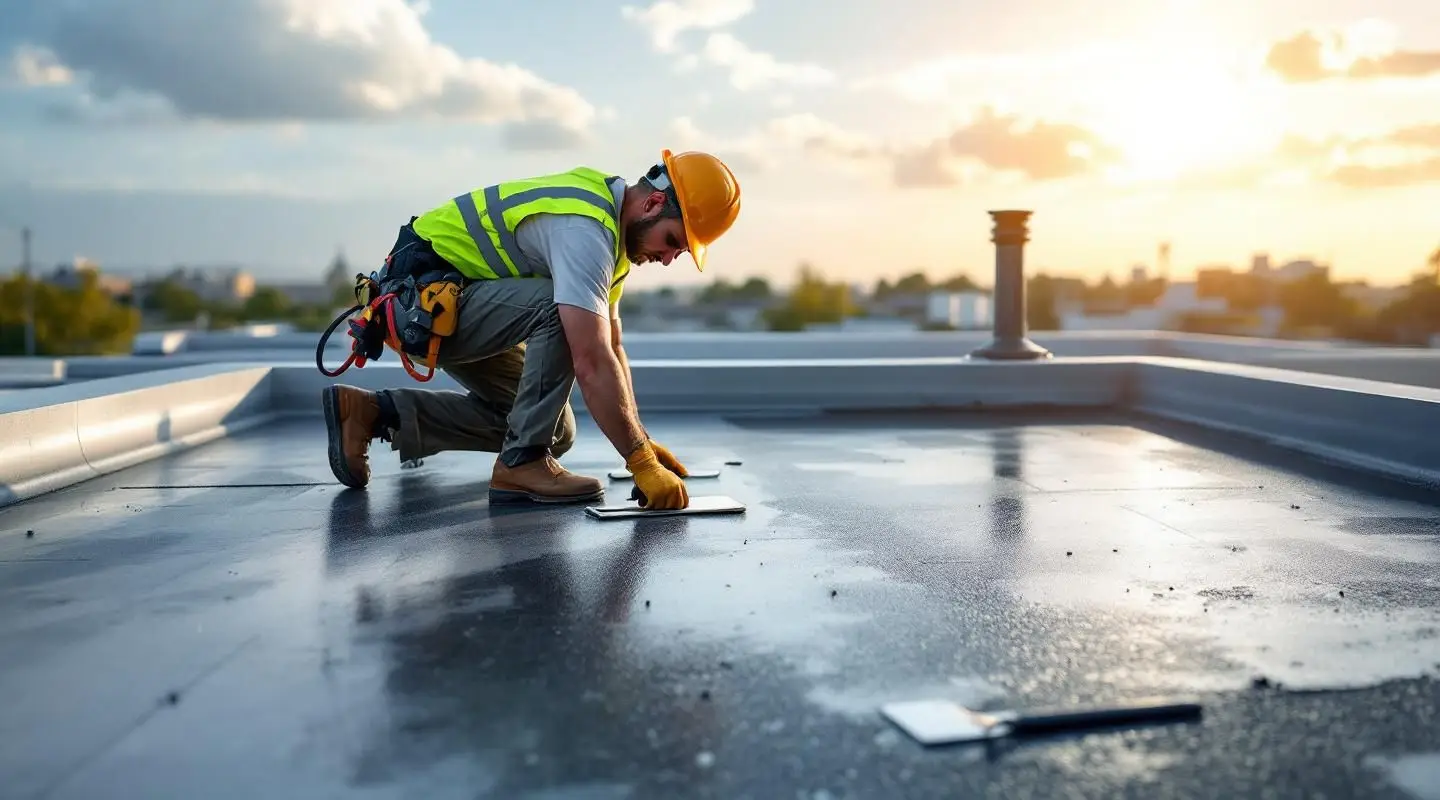
Commercial properties in North Salt Lake face a brutal mix of high-altitude UV rays, heavy winter snows, and intense canyon winds.
Learn more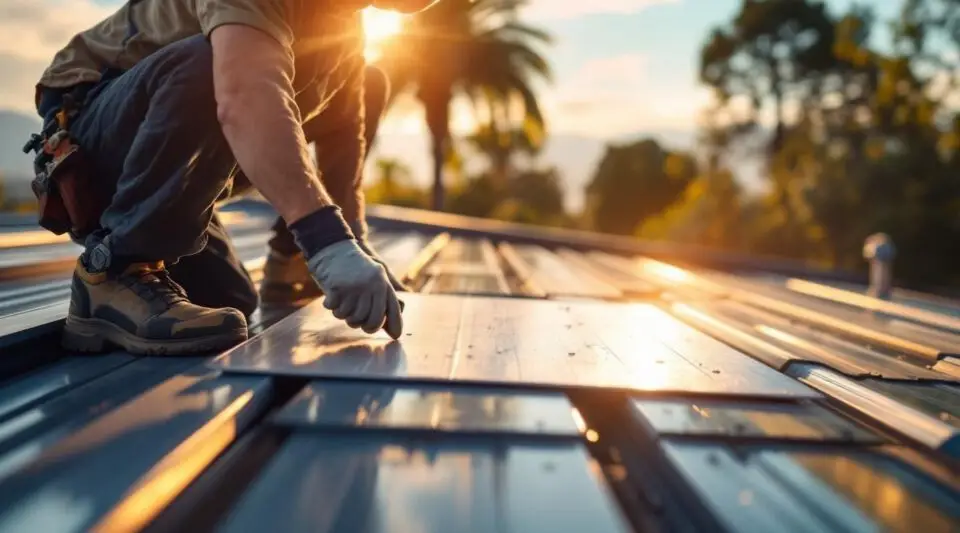
Commercial properties along the Wasatch Front face some of the most punishing weather swings in the country.
Learn more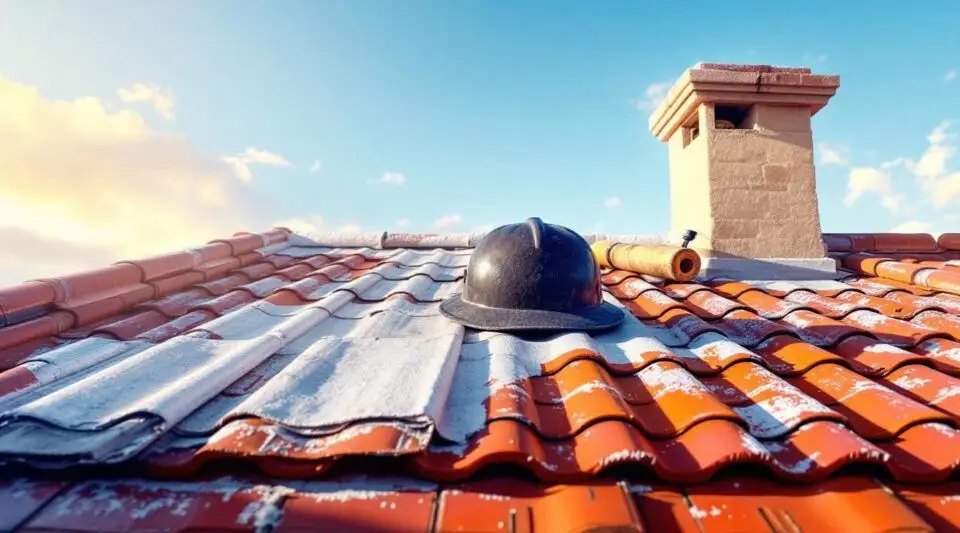
Our specialized team delivers high-performance commercial Spanish Tile Roofing in Santa Ana, providing local business owners with a fire-resistant and energy-efficient solution that honors the region's classic architectural heritage.
Learn more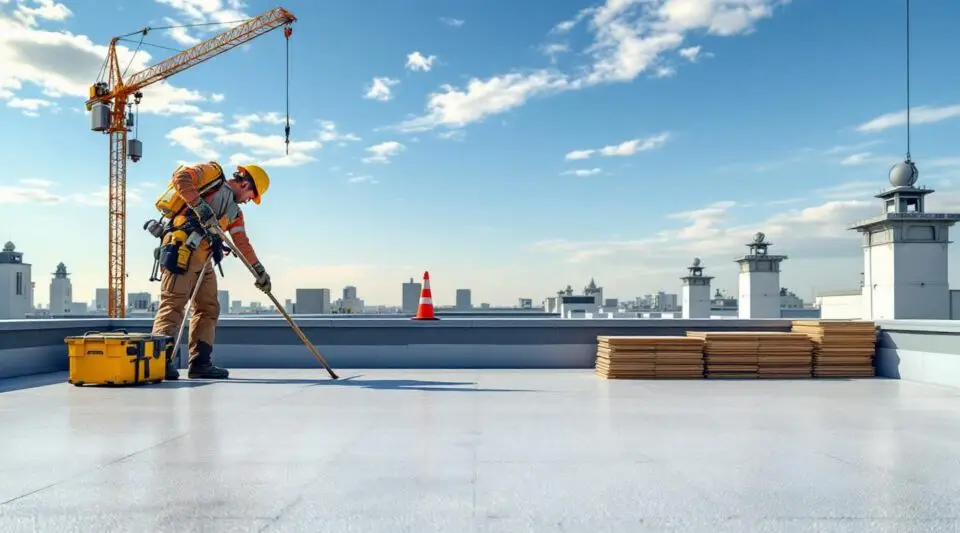
Commercial low-slope roofing along the Wasatch Front faces some of the most punishing weather conditions in the country.
Learn more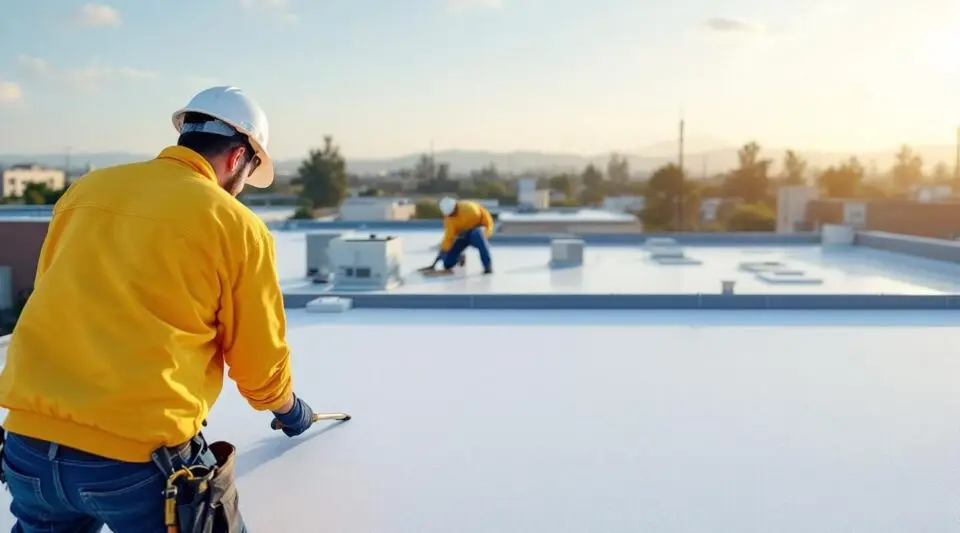
Santa Ana Roofing provides local business owners with high-performance TPO roofing systems that deliver exceptional leak protection and reduced cooling costs through expert heat-welded installation and reflective membrane technology.
Learn more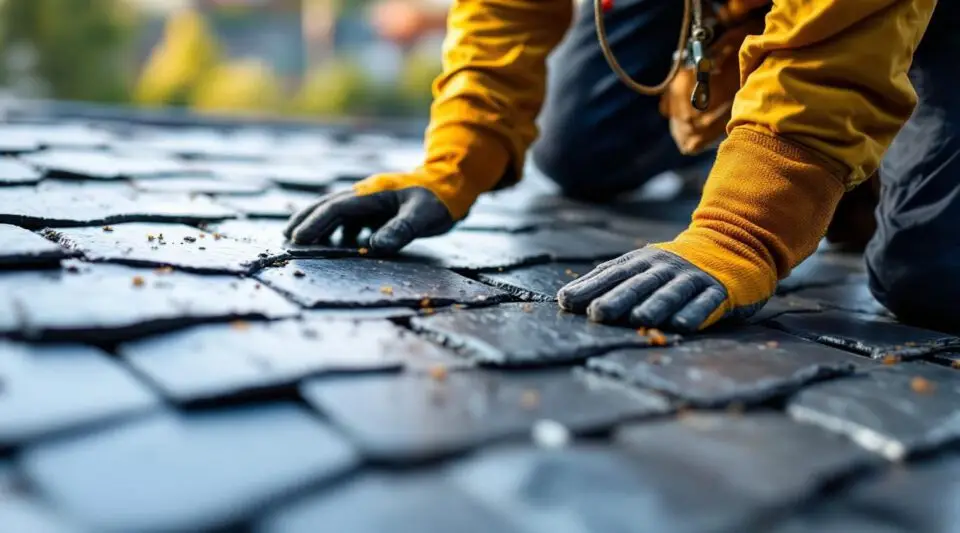
As the premier choice for commercial property owners in Santa Ana, we provide expert slate roofing solutions that combine unmatched aesthetic elegance with a lifespan that can exceed a century.
Learn more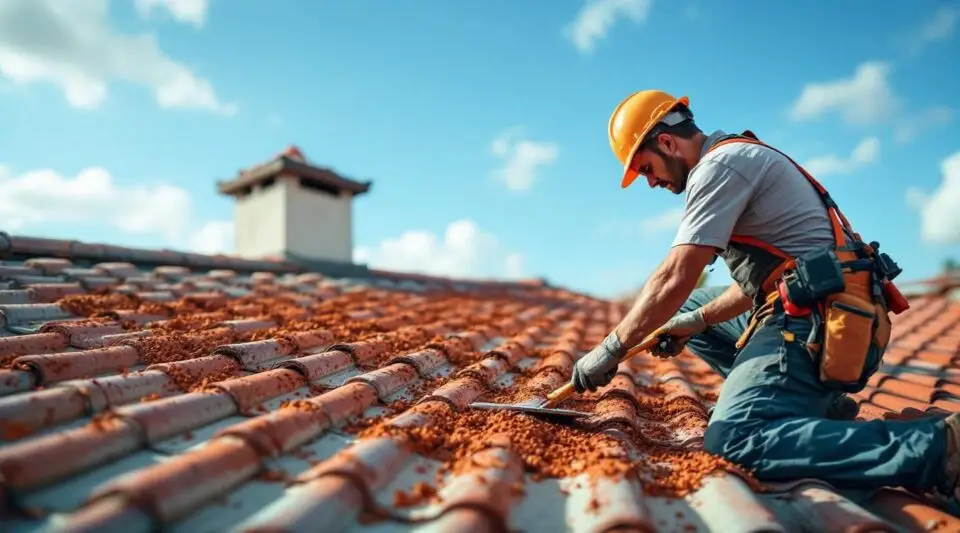
Commercial properties in North Salt Lake need roofs that do more than shed water; they must withstand heavy snow loads, intense high-altitude UV rays, and rapid temperature shifts.
Learn more
Managing a commercial property along the Wasatch Front means dealing with intense high-altitude UV rays and heavy winter snow loads.
Learn more
Commercial low-slope roofing in North Salt Lake faces a brutal combination of high-altitude UV radiation and intense freeze-thaw cycles.
Learn more
In North Salt Lake, commercial flat roofs take a beating from intense high-altitude UV degradation and extreme winter freeze-thaw cycles.
Learn moreWe had an issue with our roof leaking at the office, and they came in, replaced the shingles, and fixed the damage. Professional and reliable.
Beatrice Taylor
We hired Santa Ana Roofing to fix our flat roof. They talked about the materials they used and made sure the sealing was done correctly. The process went well, and the results have stayed nice.
Linda Gregory
After getting a roof inspection, they recommended replacing the shingles. The job was done on time, and the new roof looks fantastic.
Angelia Eichelberger
This roofing company went above and beyond what I expected. They employed high-quality materials, kept us updated on the project's progress, and finished ahead of schedule. The new roof looks great, and I trust the work they did.
Debbie Land
Santa Ana Roofing just put a new roof on our house. They gave a clear quote and a schedule that made sense. The workers worked hard every day and kept the job site clean. A professional put the roof on, and it looks great. Everything seemed easy and well-planned.
Anna Miller